Best Jet Ski Parks for Beginners: What to Expect Before You Ride

Jet ski parks are becoming a more visible option for first-time riders who want a controlled setting before heading into open waterways. For beginners, the “best” jet ski park is less about speed or scenery and more about safety, instruction, water conditions, and clear operating rules.
This analysis looks at recent trends in beginner-friendly jet ski parks, the background behind their growth, common user concerns, likely impacts on riders and operators, and what to watch before booking a ride.
Recent Trends in Beginner-Friendly Jet Ski Parks
Many jet ski parks and rental sites are adjusting their services to appeal to new riders, families, and tourists who may have little or no experience on personal watercraft. The shift is toward structured, supervised riding rather than informal rentals with minimal guidance.

- More guided sessions: Beginner riders are increasingly offered set routes, lead-and-follow tours, or monitored riding zones.
- Shorter introductory rides: Some parks provide shorter time blocks, giving first-timers a lower-commitment way to try the activity.
- Greater focus on safety briefings: Operators commonly explain throttle control, braking distance, turning, right-of-way rules, and emergency shut-off cords before launch.
- Use of designated riding areas: Calm bays, lakes, and marked zones are often preferred for beginners over crowded or choppy open water.
- Online waivers and reservations: Booking systems may now include safety acknowledgments, age requirements, and damage deposit information before arrival.
For riders comparing jet ski parks, these trends matter because the quality of instruction and supervision can shape the entire first experience.
Background: What a Jet Ski Park Typically Offers
A jet ski park is generally a managed location where riders can rent or use personal watercraft within a defined water area. Some operate on lakes or reservoirs, while others are based near coastal marinas, riverfronts, or resort areas.
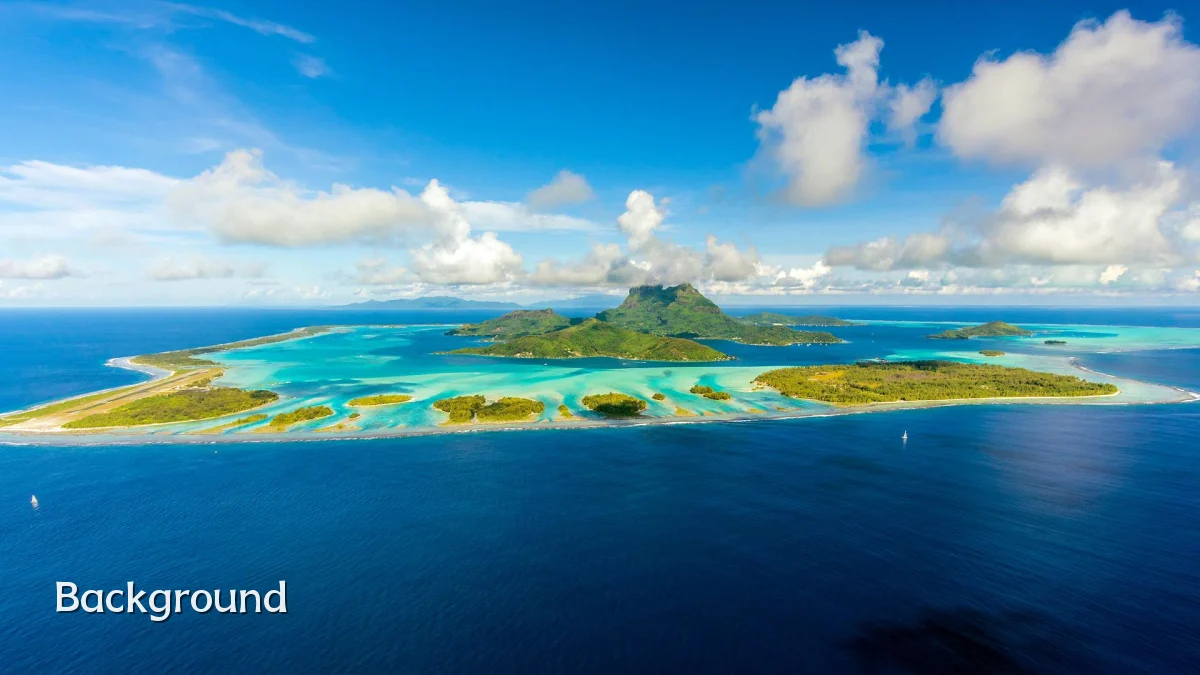
Beginner-focused parks usually combine equipment rental, safety gear, basic instruction, and on-water oversight. The most suitable parks for new riders tend to have calm water, low traffic, visible boundaries, and staff who can respond quickly if a rider stalls, falls, or becomes disoriented.
Common Features Beginners Should Look For
- Mandatory life jackets in appropriate sizes
- Clear pre-ride safety briefing
- Beginner riding zone or guided route
- Staff monitoring from shore, dock, or another watercraft
- Simple instructions on starting, stopping, turning, and reboarding
- Posted rules for speed, distance, and no-wake areas
- Weather and water-condition checks before launch
- Transparent policies on deposits, damage responsibility, and cancellations
Not every location uses the term “park,” so beginners may also find comparable services under jet ski rentals, personal watercraft tours, marina rentals, or water sports centers.
User Concerns Before a First Ride
First-time riders often focus on whether jet skis are difficult to control, how safe the activity is, and what happens if conditions change. These concerns are reasonable, especially because personal watercraft can accelerate quickly and require space to maneuver.
Safety and Control
Jet skis are generally manageable for beginners when speeds are limited and instruction is clear. However, riders should understand that steering often depends on throttle input, and stopping distance varies by model and speed. A first ride should not begin in crowded or rough water.
Age, Licensing, and Local Rules
Requirements vary by jurisdiction. Some areas require a boating safety certificate, minimum operator age, or adult supervision. A reputable jet ski park should explain these requirements before booking and verify eligibility before launch.
Costs and Deposits
Pricing can vary widely depending on location, ride duration, season, group size, and whether the session is guided. Beginners should also ask about deposits, insurance options, late-return fees, fuel charges, and responsibility for damage.
Weather and Water Conditions
Wind, rain, visibility, boat traffic, and wave height can all affect a beginner’s ride. Parks that delay or cancel rides during unsafe conditions may be more reliable than those that push inexperienced riders onto the water regardless of conditions.
Physical Comfort
Riders should expect some spray, vibration, sun exposure, and physical effort. Those with back, neck, balance, mobility, or pregnancy-related concerns should ask the operator whether riding is appropriate and consider seeking medical advice if unsure.
What to Expect Before You Ride
A beginner-friendly jet ski park will usually follow a structured process before riders enter the water. While procedures differ, the experience often includes check-in, paperwork, gear fitting, instruction, and a controlled launch.
- Reservation and eligibility check: Staff may confirm age, identification, payment, and any required boating credentials.
- Waiver and policy review: Riders typically acknowledge safety risks, damage rules, and operating conditions.
- Life jacket fitting: A properly fitted personal flotation device is essential and usually mandatory.
- Safety briefing: Staff should explain controls, safe distances, restricted areas, hand signals, and emergency procedures.
- Practice or slow-speed start: Beginners may begin near the dock or in a marked zone before moving farther out.
- Monitored ride: Staff may supervise from shore, a dock, or another craft, especially in beginner areas.
- Return and inspection: After the ride, staff may check equipment and close out any deposit or incident report.
Beginners should not hesitate to ask for a repeat explanation. A responsible operator should be willing to clarify controls and rules before launch.
Likely Impact on Riders, Parks, and Local Waterways
The growing interest in beginner-friendly jet ski parks could have several practical effects. For riders, it may make personal watercraft more accessible by reducing uncertainty and creating a safer first experience. For operators, it can increase demand for trained staff, clearer procedures, and better-maintained equipment.
Local waterways may also feel the impact. More new riders can mean higher traffic in popular areas, making speed control, noise awareness, and separation from swimmers, paddlers, and boaters more important. Well-managed parks can reduce some risks by keeping beginners inside defined zones and emphasizing responsible riding.
Potential Benefits
- More accessible entry point for first-time riders
- Improved safety culture through briefings and supervision
- Better separation between beginners and high-speed traffic
- Opportunities for local tourism and water recreation businesses
Potential Challenges
- Crowding during peak periods
- Noise concerns near residential or wildlife areas
- Inconsistent instruction standards between operators
- Confusion over local licensing or age rules
- Weather-related cancellations or shortened rides
How to Judge the Best Jet Ski Parks for Beginners
The best jet ski parks for beginners are not necessarily the largest or fastest. They are the ones that reduce uncertainty, communicate clearly, and match the ride to the rider’s experience level.
| Selection Factor | Why It Matters for Beginners |
|---|---|
| Calm water conditions | Makes steering, balance, and reboarding easier to learn. |
| Mandatory safety briefing | Helps riders understand controls, distance rules, and emergency steps. |
| Supervised riding area | Reduces exposure to boat traffic and open-water hazards. |
| Clear rules and signage | Prevents confusion about speed limits, boundaries, and no-wake zones. |
| Transparent pricing and deposits | Helps riders avoid unexpected costs after the ride. |
| Weather flexibility | Shows that the operator prioritizes safe riding conditions. |
Reviews can be useful, but beginners should look beyond star ratings. Comments about staff patience, clear instruction, equipment condition, and how the park handled weather or delays are often more informative than general praise.
What to Watch Next
As demand for recreational water activities continues, beginner-oriented jet ski parks may face more scrutiny from customers, local authorities, and nearby communities. The most important developments to watch are likely to involve safety standards, environmental rules, and booking transparency.
- Local rule changes: Age limits, licensing requirements, speed zones, and operating areas may vary or change by location.
- Operator training practices: Parks that invest in consistent staff training may stand out as safer choices for beginners.
- Environmental restrictions: Noise limits, wildlife protections, and no-wake zones may affect where and how jet skis can operate.
- Weather and cancellation policies: Clear policies will remain important as riders compare risk, cost, and convenience.
- Equipment improvements: Newer watercraft features may help with stability, braking, and controlled riding, but instruction will still matter.
For beginners, the main takeaway is simple: choose a jet ski park that treats instruction and safety as core parts of the experience, not as formalities. A well-run park should make the first ride feel structured, understandable, and appropriate for the conditions on the day.