Extreme Water Adventure Destinations for Thrill Seekers Around the World
Recent Trends
Extreme water adventure travel is increasingly shaped by a mix of outdoor recreation demand, social media visibility, improved safety equipment, and a growing appetite for challenging nature-based experiences. Travelers are looking beyond standard beach holidays and seeking destinations that offer powerful rivers, remote coastlines, deep canyons, big waves, ice-cold waters, and wildlife-rich marine environments.
Popular activities associated with extreme water adventure include:
- White-water rafting on high-grade river sections
- Big-wave surfing in exposed coastal breaks
- Canyoning through waterfalls, pools, and narrow gorges
- Free diving and technical diving in deep or complex marine environments
- Kayaking in sea caves, glacial waters, or fast-moving rivers
- Coasteering along rugged shorelines
- Ice swimming, cold-water plunges, and polar-style expeditions
Destinations often associated with these experiences include river systems in parts of New Zealand, Costa Rica, Nepal, Chile, and Zambia; surf zones in Hawaii, Portugal, Indonesia, and South Africa; and cold-water or glacial environments in Iceland, Norway, Alaska, and Patagonia. The appeal is not limited to experts, but the most demanding routes and conditions typically require guided support, technical skill, and careful timing.
Background
Adventure travel around water has long existed through rafting, diving, sailing, surfing, and expedition travel. What has changed is the way these activities are packaged and promoted. Operators now often combine remote access, specialist equipment, environmental interpretation, and safety briefings into structured itineraries aimed at travelers who want intensity without fully independent expedition planning.
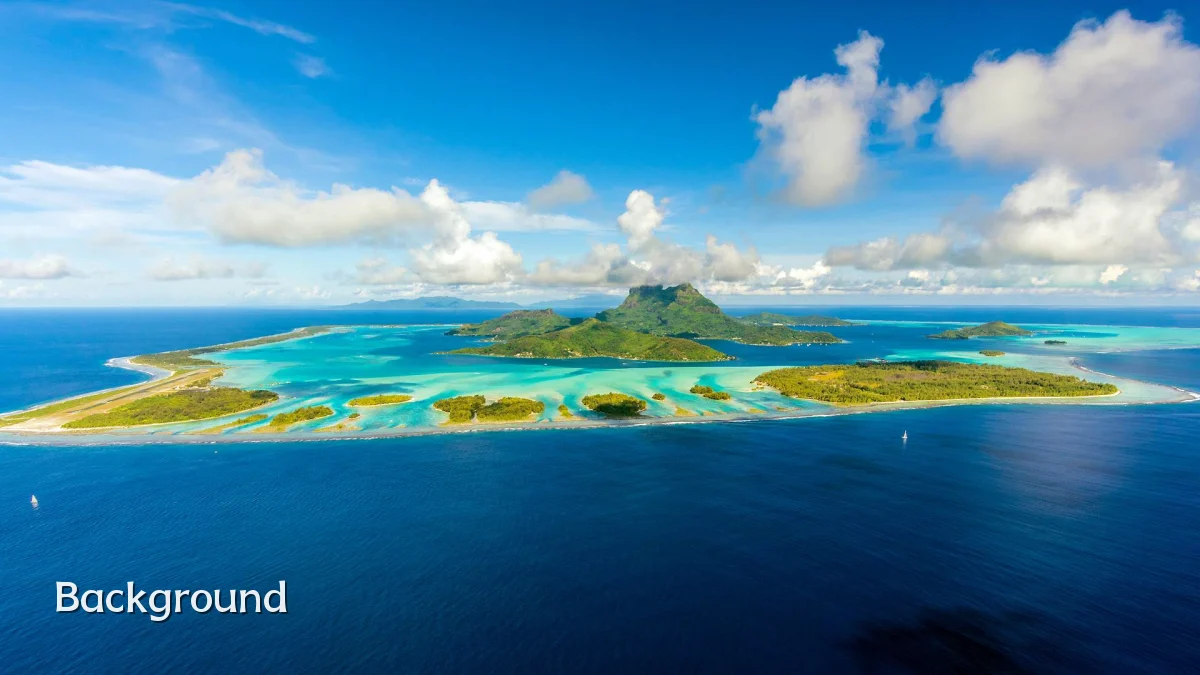
Water-based adventure is highly dependent on local geography. Rivers with steep gradients can create difficult rapids. Ocean-facing cliffs can support coasteering and sea kayaking routes. Reefs, caves, currents, and drop-offs can attract divers, while storm exposure and bathymetry can produce powerful surf breaks.
However, the same natural features that make a destination exciting can also make it unpredictable. Water levels, swell direction, wind, tides, rainfall, seasonal storms, glacier melt, and local access rules can change conditions quickly. For this reason, experienced guides and local operators remain central to many extreme water adventure markets.
User Concerns
For travelers, the main concern is balancing thrill with safety. Extreme water adventure is not risk-free, and conditions can shift even on well-known routes. A destination that is manageable one day may be unsuitable the next because of weather, currents, or water volume.
Key concerns include:
- Skill level: Some activities require prior experience, strong swimming ability, or comfort in fast-moving water.
- Guide quality: Travelers should look for licensed, locally experienced guides and clear safety briefings.
- Equipment standards: Helmets, wetsuits, flotation devices, ropes, boards, and emergency gear should be appropriate and well maintained.
- Medical readiness: Remote locations may have limited evacuation options, making fitness and travel insurance important.
- Seasonality: Best conditions often occur during specific windows, but those windows can vary by region and activity.
- Environmental impact: Overuse can affect fragile coastlines, riverbanks, reefs, and wildlife habitats.
Insurance is another practical issue. Standard travel insurance may exclude high-risk activities or require add-on coverage. Travelers should check whether rafting above certain grades, technical diving, cliff jumping, big-wave surfing, or remote kayaking are covered before booking.
Likely Impact
The continued interest in extreme water adventure is likely to benefit destinations with strong natural assets, reliable local operators, and clear safety systems. Smaller communities may gain from guide services, accommodation, transport, equipment rental, and food businesses connected to adventure tourism.
At the same time, increased demand may create pressure on natural sites. Crowding at popular river launches, surf breaks, canyons, and dive locations can reduce the experience and raise safety risks. Local authorities and operators may respond with permit systems, group-size limits, seasonal closures, or stricter guide requirements.
The trend may also encourage more tiered adventure offerings. Instead of marketing only to experts, destinations may offer several difficulty levels, such as beginner rafting sections, guided canyoning routes, intermediate surf coaching, and advanced expeditions. This can widen access while helping travelers choose experiences that match their ability.
Climate and weather variability may also affect planning. River flows, snowmelt patterns, storm seasons, coral health, and coastal erosion can all influence where and when water-based adventure is viable. Operators that communicate changing conditions clearly are likely to be more trusted by cautious travelers.
What to Watch Next
The next phase of extreme water adventure travel will likely be shaped by safety standards, environmental management, and traveler expectations for transparency. Destinations that combine dramatic natural settings with responsible operations may stand out.
Important developments to watch include:
- More detailed difficulty ratings: Clearer descriptions of physical demands, water conditions, and technical requirements.
- Greater use of local forecasting: Operators may rely more on real-time river, tide, swell, and weather data.
- Stronger conservation rules: Sensitive marine and river environments may face tighter access controls.
- Growth in cold-water adventure: Interest in polar-style swims, glacial kayaking, and Nordic coastal experiences may continue among experienced travelers.
- Expanded training options: More travelers may seek short courses in rescue skills, surf safety, diving, or swift-water awareness before attempting advanced trips.
For thrill seekers, the best extreme water adventure destination is not simply the most dramatic one. It is the place where conditions, ability, equipment, guidance, and environmental responsibility align. As the sector grows, informed planning will remain as important as the adrenaline itself.