How the Jet Ski Tourism Industry Is Transforming Coastal Travel Experiences
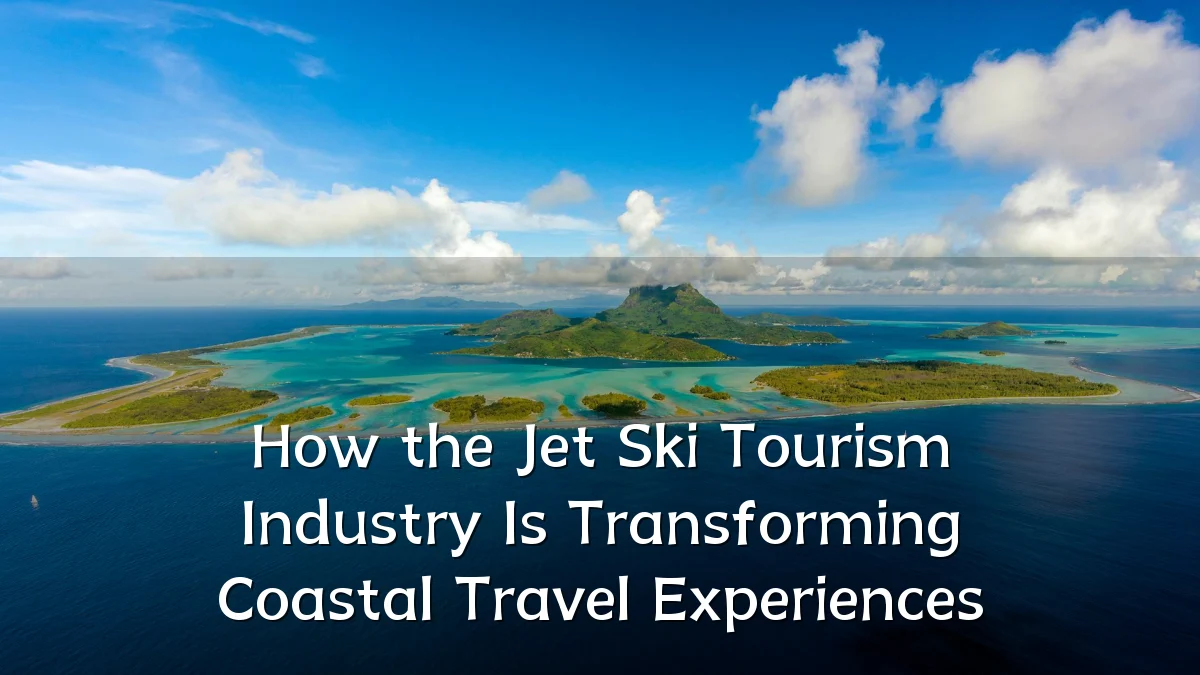
The jet ski tourism industry is becoming a more visible part of coastal travel, offering visitors a faster, more active alternative to traditional boat tours, beach lounging, and sightseeing cruises. While the sector remains shaped by local regulations, seasonal demand, environmental limits, and safety concerns, operators in many coastal destinations are adapting their services to meet travelers’ interest in short, experience-led activities.
The industry’s growth is not uniform. In some destinations, jet ski tours are promoted as premium adventure products. In others, they face tighter controls because of noise, congestion, wildlife disturbance, or accident risks. The result is a travel segment that is expanding in appeal while also drawing closer scrutiny from residents, regulators, and environmental groups.
Recent Trends
Jet ski tourism has shifted from simple hourly rentals toward more structured experiences. Many operators now emphasize guided routes, scenic stops, wildlife-aware navigation, and safety briefings as part of the product.

- Guided tours over open rentals: Operators are increasingly using escorted tours to reduce risk, improve route control, and appeal to first-time riders.
- Short-format excursions: One- to two-hour rides fit well into cruise stops, weekend trips, and resort itineraries.
- Experience bundling: Jet ski rides are often packaged with snorkeling, island visits, photography, beach clubs, or waterfront dining.
- Digital booking growth: Travelers commonly compare operators online, checking reviews, cancellation terms, age rules, and safety requirements before booking.
- Greater focus on safety protocols: Briefings, life jackets, route boundaries, speed limits, and guide-to-guest ratios are becoming key selling points.
- Interest in cleaner technology: Electric and lower-emission personal watercraft are drawing attention, although adoption depends on cost, range, maintenance, and charging access.
These trends reflect a broader change in coastal tourism. Travelers are looking for memorable, active experiences, while operators are trying to differentiate themselves in crowded beach markets.
Background
Jet ski tourism sits at the intersection of adventure travel, marine recreation, and local coastal economies. Personal watercraft can access coves, inlets, sandbars, and shoreline viewpoints more quickly than many larger vessels, making them attractive for travelers with limited time.
For operators, the business model can be flexible but demanding. Revenue depends heavily on weather, seasonality, equipment upkeep, insurance, fuel or energy costs, staff training, storage, permits, and local waterway rules. A successful operation typically requires more than a fleet of machines; it needs clear safety systems, reliable maintenance, and strong relationships with local authorities and communities.
Regulation varies widely by location. Some areas allow rentals with basic licensing or orientation requirements, while others restrict personal watercraft in protected zones, busy harbors, wildlife habitats, or swimming areas. These differences shape where jet ski tourism can expand and how operators design their routes.
User Concerns
For travelers, the appeal of jet ski tourism is often balanced by practical concerns. Many customers are first-time riders, and the quality of the experience depends heavily on operator professionalism.
- Safety: Customers want clear instructions, well-maintained equipment, properly fitted life jackets, and guides who monitor rider behavior.
- Licensing and age rules: Requirements differ by destination, so travelers need to confirm whether they need a boating license, temporary permit, or minimum age to ride or drive.
- Weather and sea conditions: Wind, currents, visibility, and wave height can affect comfort and risk, even when skies appear clear.
- Hidden costs and deposits: Some rentals may involve security deposits, damage waivers, fuel charges, photo packages, or late-return penalties.
- Environmental impact: Riders increasingly ask whether tours avoid sensitive habitats, respect wildlife distance rules, and minimize pollution.
- Crowding: Busy waterways can reduce the appeal of a tour and raise the risk of collisions with boats, swimmers, kayaks, or other jet skis.
Local residents and coastal businesses also have concerns. Noise, wake effects, traffic near marinas, and unsafe riding can create tension between tourism operators and communities. In destinations where beaches and waterways are already crowded, public tolerance may depend on enforcement and responsible operating standards.
Likely Impact
The jet ski tourism industry is likely to continue influencing how coastal destinations design and market visitor experiences. Its impact will be felt most strongly in areas that depend on short-stay tourists, cruise passengers, resort guests, and adventure travelers.
- More diversified coastal itineraries: Jet ski tours can add variety to beach destinations that previously relied mainly on swimming, boating, or sightseeing.
- New revenue for local operators: Rentals, guided tours, training, maintenance, marina services, and related hospitality spending can support small businesses.
- Pressure on regulation: Growth may lead to stricter zoning, speed controls, licensing rules, and limits on operating areas.
- Higher expectations for professionalism: Operators with strong safety records, transparent pricing, and environmental practices may gain an advantage.
- Potential conflict over shared waterways: Without careful management, jet ski activity can clash with swimmers, fishers, paddlers, sailors, and wildlife tours.
The industry’s long-term prospects may depend less on demand than on how well destinations manage competing priorities. Jet ski tourism can enhance a coastal trip, but unmanaged growth can undermine the quiet, scenic, and ecological qualities that attract visitors in the first place.
What to Watch Next
Several developments will shape the next phase of the jet ski tourism industry. None will affect every market equally, but together they point to a more regulated and experience-driven sector.
- Local rule changes: Watch for new operating zones, speed limits, wildlife buffers, permit caps, and licensing requirements in high-traffic coastal areas.
- Insurance and liability pressures: Rising risk concerns may push operators toward stricter screening, guided-only models, or more detailed waivers.
- Cleaner watercraft options: Electric and more efficient models could become more attractive where noise and emissions are major concerns, provided range and charging logistics improve.
- Integration with broader tourism packages: Resorts, cruise excursion desks, and online travel platforms may continue shaping how travelers discover and book jet ski experiences.
- Environmental certification and standards: Operators may increasingly use training, route planning, and sustainability claims to distinguish themselves.
- Consumer review scrutiny: Reviews mentioning safety, equipment condition, staff behavior, and surprise charges are likely to influence booking decisions.
For travelers, the safest approach is to compare operators carefully, ask about local rules, check weather policies, and choose guided tours when unfamiliar with the area. For destinations, the challenge is to capture the economic value of jet ski tourism while protecting public safety, marine ecosystems, and the broader coastal experience.