How to Find and Join a Jet Ski Community Near You

Jet ski communities have become an important way for personal watercraft riders to share safety knowledge, discover legal riding areas, plan group outings, and connect with people who have similar experience levels. While some groups are informal social circles, others are structured clubs with rules, ride calendars, and membership expectations.
Finding the right community depends on location, riding style, skill level, and how much structure a rider wants. A neutral look at recent trends, common concerns, and likely impacts can help new and returning riders make informed choices before joining a local group.
Recent Trends in Jet Ski Communities
Local jet ski communities are increasingly organized through a mix of online platforms and in-person networks. Riders often use social media groups, boating forums, marina noticeboards, and local watercraft businesses to find nearby events or informal meetups.
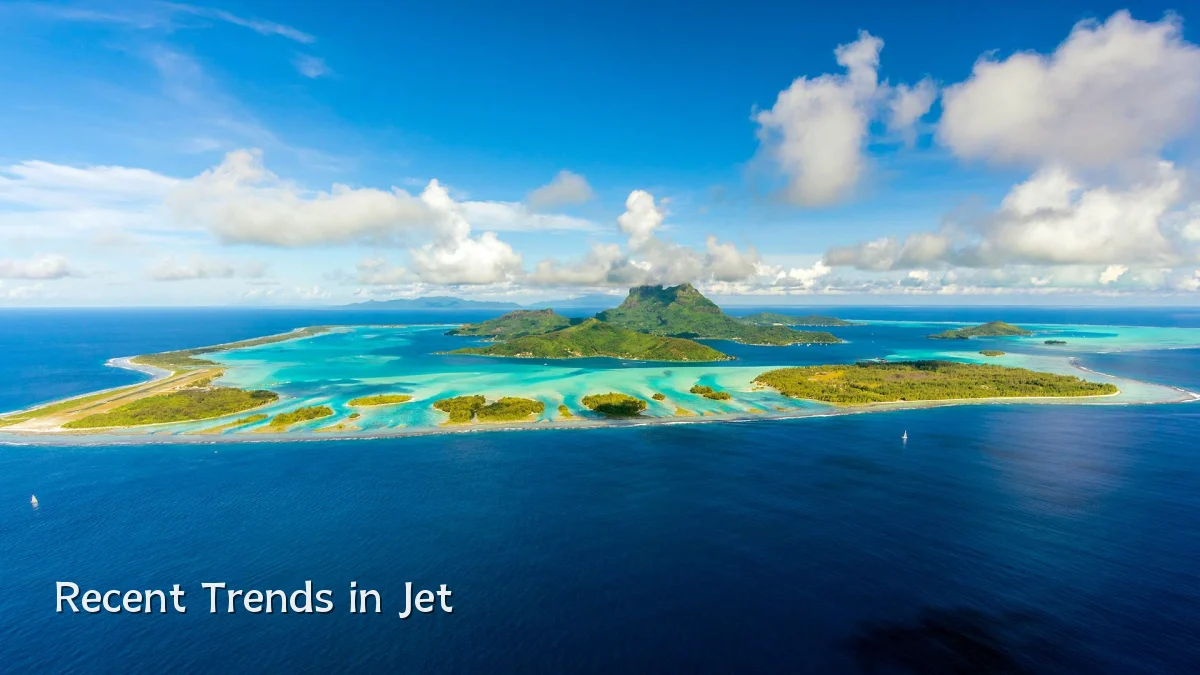
- Online discovery: Many riders now begin their search through regional social media groups, community boards, and search terms such as “jet ski group near me” or “personal watercraft club” with a city, lake, or coastline name.
- Safety-focused rides: More groups emphasize basic safety practices, including life jacket use, weather checks, navigation rules, and responsible spacing on the water.
- Mixed-experience membership: Communities often include beginners, recreational weekend riders, touring enthusiasts, and performance-focused riders, making clear expectations important.
- Local waterway awareness: Riders are paying closer attention to launch rules, no-wake zones, environmental restrictions, and seasonal access limits.
The trend is toward more visible, better-connected communities, but the quality and reliability of each group can vary widely.
Background: What a Jet Ski Community Usually Offers
A jet ski community is generally a group of personal watercraft riders who share information, organize outings, or support each other with maintenance, safety, and route planning. These groups may be casual or formal.

- Informal groups: Often coordinated through messaging apps or social media, with flexible participation and few written rules.
- Local clubs: May have membership requirements, ride leaders, codes of conduct, and scheduled events.
- Marina-based networks: Built around boat ramps, storage facilities, repair shops, or waterfront businesses.
- Training-oriented communities: Focused on new riders, safety education, navigation basics, or local regulations.
For many riders, the main benefit is access to local knowledge. Experienced members can help identify suitable launch points, explain water conditions, and advise on what to bring for a safe ride.
How to Find a Jet Ski Community Near You
Riders looking for a nearby group can use several practical channels. The best results usually come from checking more than one source and confirming details before attending a ride.
- Search locally online: Use terms that include your area, nearby lakes, rivers, bays, or coastline names.
- Check social media groups: Look for active posts, clear rules, recent ride discussions, and respectful moderation.
- Ask at marinas and launch ramps: Staff and regular riders may know which groups are active and beginner-friendly.
- Contact personal watercraft dealers or repair shops: They may be aware of local clubs, ride days, or safety courses.
- Look at boating associations: Some broader boating groups include personal watercraft members or can point to local contacts.
- Attend public watercraft events carefully: If an event is open to riders, observe how organized and safety-conscious the group appears.
Before joining, riders should ask whether the group welcomes their experience level, what equipment is expected, and whether rides follow local boating rules.
User Concerns Before Joining
New members often have practical concerns about safety, cost, group behavior, and legal compliance. These concerns are reasonable, especially because water conditions and local rules can change quickly.
Safety and Skill Level
Not every ride is suitable for every rider. A long open-water route, fast-paced group ride, or rough-condition outing may not be appropriate for beginners.
- Ask whether rides are beginner, intermediate, or advanced.
- Confirm whether there is a ride leader or sweep rider.
- Check whether members use life jackets, communication devices, and basic emergency gear.
- Avoid groups that dismiss weather, navigation rules, or safety briefings.
Rules, Permits, and Local Restrictions
Jet ski use is regulated differently depending on the waterway. Some areas have speed limits, no-wake zones, launch restrictions, noise rules, or environmental protections.
- Confirm local registration and operator requirements.
- Check whether safety education is required or recommended in your area.
- Review local maps for restricted areas and no-wake zones.
- Ask whether the group has a policy for following posted rules.
Costs and Membership Expectations
Some communities are free to join, while others may charge dues or event fees. Costs can also include launch fees, fuel, parking, storage, maintenance, safety gear, and towing equipment.
- Ask whether there are membership dues or ride fees.
- Clarify whether events require advance registration.
- Find out if guests or family members are allowed.
- Understand cancellation practices for weather or unsafe conditions.
Group Culture and Conduct
The culture of a jet ski community can have a major effect on the experience. A well-run group usually communicates clearly, respects other water users, and discourages reckless riding.
- Read recent discussions before joining a ride.
- Look for respectful communication and clear moderation.
- Be cautious of groups that encourage unsafe speeds near shorelines, swimmers, or other vessels.
- Choose communities that value responsible riding over showing off.
Likely Impact of Joining a Local Jet Ski Community
For individual riders, joining a local jet ski community can reduce uncertainty and make riding more social. It can also improve safety if the group shares reliable information and encourages responsible conduct.
- Better local knowledge: Members can learn about launch conditions, fuel stops, navigation hazards, and weather patterns.
- Improved confidence: Beginners may feel more comfortable riding with experienced people instead of going out alone.
- Maintenance support: Riders often exchange practical advice on care, storage, troubleshooting, and pre-ride checks.
- More organized outings: Group rides can make route planning easier, especially in unfamiliar areas.
- Stronger safety habits: Good communities reinforce life jacket use, communication planning, and rule awareness.
The impact is less positive when groups are poorly organized or tolerate risky behavior. Riders should treat community membership as a support tool, not a substitute for personal responsibility, training, or knowledge of local rules.
What to Watch Next
Several factors may shape how jet ski communities develop in the near future. Riders looking to join a group should pay attention to changes in local access, safety expectations, and online group management.
- Local regulation updates: Waterway access, launch rules, speed limits, and environmental restrictions may change by location.
- Safety education requirements: Some areas may place more emphasis on boating safety courses and operator awareness.
- Environmental concerns: Shoreline protection, wildlife areas, and noise issues may influence where and how groups ride.
- Digital coordination: More communities may rely on private groups, ride sign-ups, and real-time weather or route updates.
- Insurance and liability questions: Formal clubs may become more careful about waivers, guest rules, and event structure.
Prospective members should monitor official local boating authorities, marina updates, and group announcements rather than relying only on informal posts.
Practical Checklist Before Your First Group Ride
- Confirm the meeting point, launch time, route, and expected ride duration.
- Check weather, wind, visibility, and water conditions before leaving.
- Bring required safety equipment, including a properly fitted life jacket.
- Make sure your jet ski is fueled, registered if required, and mechanically ready.
- Carry a communication method suitable for the area.
- Tell someone on shore where you are going and when you expect to return.
- Ask about pace, stops, hand signals, and emergency procedures.
- Be willing to skip the ride if conditions or group behavior seem unsafe.
Bottom Line
Finding and joining a jet ski community near you is often a matter of combining online research with local conversations at marinas, launch ramps, repair shops, and boating organizations. The best groups are active, safety-minded, transparent about expectations, and respectful of local waterways.
For riders, the goal should not simply be to find the largest or most visible group. It should be to join a community that matches their skill level, follows local rules, communicates clearly, and supports responsible enjoyment of personal watercraft.