Island Jet Ski Adventures: The Best Ways to Explore Hidden Coves and Coastlines

Island jet ski tours have become a prominent option for travelers looking to reach coves, beaches, and stretches of coastline that are difficult to access by road or larger boats. The appeal is straightforward: personal watercraft offer speed, maneuverability, and a close-up view of coastal scenery. But the growth of this activity also raises practical questions about safety, environmental protection, local rules, and visitor management.
For travelers, the best island jet ski experience is usually not just the fastest route across open water. It is a trip that balances access with caution, respects marine habitats, and fits the rider’s ability level. For destinations, the challenge is to support a popular water activity without overwhelming fragile shorelines or disrupting other users of the coast.
Recent Trends
Several broad trends are shaping how island jet ski adventures are offered and managed. While conditions vary by destination, operators and visitors are increasingly focused on guided routes, safety briefings, and more structured access to sensitive areas.
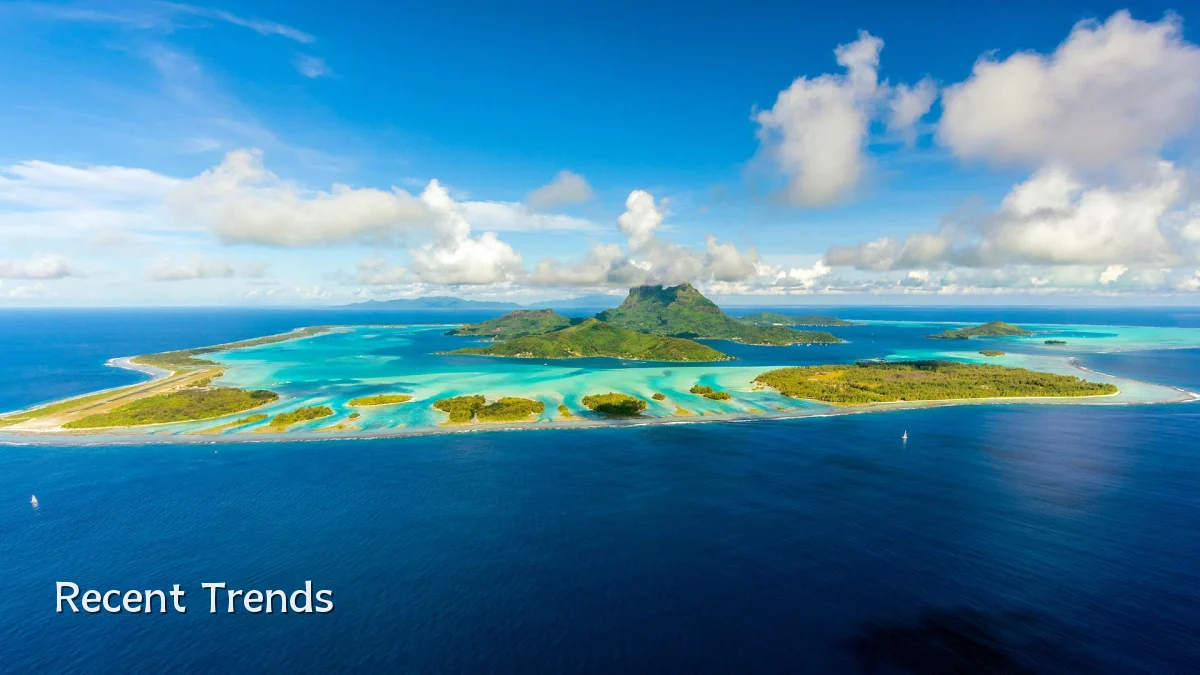
- More guided coastal routes: Many visitors prefer guided tours that include navigation support, local knowledge, and controlled access to coves or sea caves.
- Greater attention to environmental rules: Operators are more likely to emphasize no-wake zones, wildlife distance, and restrictions near reefs, nesting areas, or protected shorelines.
- Demand for small-group experiences: Travelers often seek less crowded routes, early departures, or private tours to avoid busy beaches and congested launch points.
- Technology-assisted navigation: GPS tracking, route planning, and mobile communication can help operators monitor groups, though riders still need basic awareness of weather and water conditions.
- Rising focus on beginner-friendly options: Shorter tours, tandem rides, and sheltered-water routes are common ways to make island jet skiing accessible to first-time riders.
Background
Jet skis, also known as personal watercraft, are suited to island environments because they can cover moderate distances quickly and operate in areas where larger vessels may not be practical. They are often used for sightseeing along cliffs, beaches, mangroves, lagoons, and offshore islets.
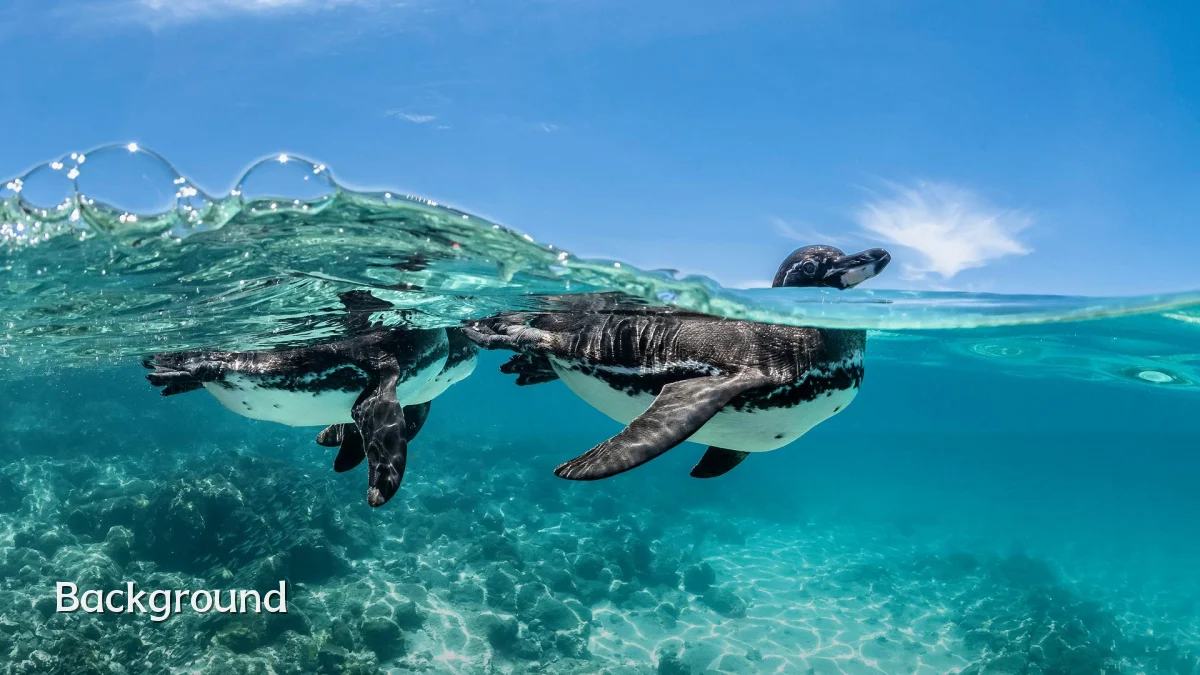
The main draw is access. Hidden coves and remote coastline sections may be reachable only by water, and a jet ski can provide a flexible alternative to a traditional boat tour. In favorable conditions, riders may be able to stop near quiet beaches, observe rock formations, or follow a guide through marked coastal corridors.
However, “hidden” does not always mean unrestricted. Many coves and coastlines fall under local navigation rules, conservation zones, or seasonal wildlife protections. Safe access depends on tide, wind, swell, visibility, boat traffic, and the experience of the rider.
User Concerns
Before booking an island jet ski activity, travelers typically weigh safety, cost, route quality, and environmental impact. These concerns are especially important in unfamiliar waters, where conditions can change quickly.
- Safety and experience level: First-time riders should look for thorough instruction, properly fitted life jackets, speed guidance, and routes that avoid exposed water when conditions are challenging.
- Weather and sea conditions: Wind, chop, currents, and reduced visibility can make a scenic route uncomfortable or unsafe. Flexible rescheduling policies may matter more than a fixed itinerary.
- Local licensing and age rules: Requirements vary widely. Some locations require a boating license, minimum age, supervised riding, or operator-led tours only.
- Environmental sensitivity: Riders should avoid disturbing marine life, entering restricted zones, anchoring on reefs, or operating at speed near shorelines where wake can cause erosion.
- Hidden costs and liability: Deposits, fuel terms, damage waivers, guide fees, and cancellation conditions can differ. Travelers should review terms before departure.
- Route transparency: A credible operator should be clear about likely stops, riding distance, expected duration, and whether swimming, snorkeling, or beach landings are included.
Best Ways to Explore Hidden Coves and Coastlines
The strongest island jet ski experiences are planned around conditions and conservation rather than speed alone. A well-chosen route can deliver coastal access while reducing risk to riders and the surrounding environment.
- Choose a guided tour in unfamiliar waters: Local guides can identify safe passages, restricted areas, and suitable viewing points near coves or cliffs.
- Start with sheltered routes: Bays, lagoons, and leeward coastlines are often better suited to beginners than open-water crossings.
- Ask about wildlife protocols: Operators should explain how far to stay from dolphins, turtles, seabirds, or other marine life, and when to slow down or change course.
- Match the tour to rider confidence: Short scenic loops may be better for new riders, while longer coastal routes require stamina, balance, and comfort with changing water conditions.
- Plan for limited landing access: Some coves may be view-only due to surf, rocks, private property, or conservation rules.
- Prioritize communication: Guides, hand signals, emergency procedures, and group spacing should be covered before launch.
Likely Impact
The continued popularity of island jet ski adventures could benefit coastal tourism businesses, including tour operators, marinas, waterfront accommodations, and nearby restaurants. For visitors, the activity offers a high-energy way to experience landscapes that may otherwise be seen only from a boat or viewpoint.
At the same time, increased use can create pressure on small launch areas, quiet coves, and nearshore habitats. Noise, wake, crowding, and unsafe riding can affect residents, swimmers, paddlers, anglers, and wildlife. Destinations that rely heavily on coastal appeal may face a balancing act between access and preservation.
Likely responses include tighter route management, clearer operator standards, caps on group size, expanded safety checks, and stronger enforcement in protected waters. These measures may make tours more structured, but they can also improve the overall visitor experience by reducing confusion and conflict.
What to Watch Next
Travelers and local communities should watch how island destinations adapt to demand for jet ski access while protecting the qualities that make hidden coves and coastlines attractive in the first place.
- Local rule changes: Updates to speed limits, no-wake zones, licensing requirements, or protected-area access can affect where and how tours operate.
- Operator safety standards: More detailed briefings, equipment checks, and guide-to-rider ratios may become key signals of quality.
- Environmental restrictions: Seasonal closures or route adjustments may be introduced near sensitive habitats or during wildlife activity periods.
- Visitor demand patterns: Small-group, low-impact, and off-peak tours may gain favor among travelers seeking quieter coastal experiences.
- Alternative watercraft options: Kayaks, small boats, electric watercraft, and paddle tours may compete with or complement jet ski excursions in sensitive areas.
Island jet ski adventures can be a memorable way to explore hidden coves and coastlines, but the best outcomes depend on responsible planning. Riders should look beyond the most dramatic route description and consider safety, local rules, environmental limits, and operator credibility before heading out on the water.