Lake vs Ocean Jet Skiing: Key Differences Every Rider Should Know

Recent Trends
Interest in personal watercraft riding continues to broaden beyond traditional lake recreation, with more riders considering coastal routes, rental experiences, and destination-based outings. That has brought renewed attention to a practical question: how different is jet skiing on a lake compared with riding in the ocean?
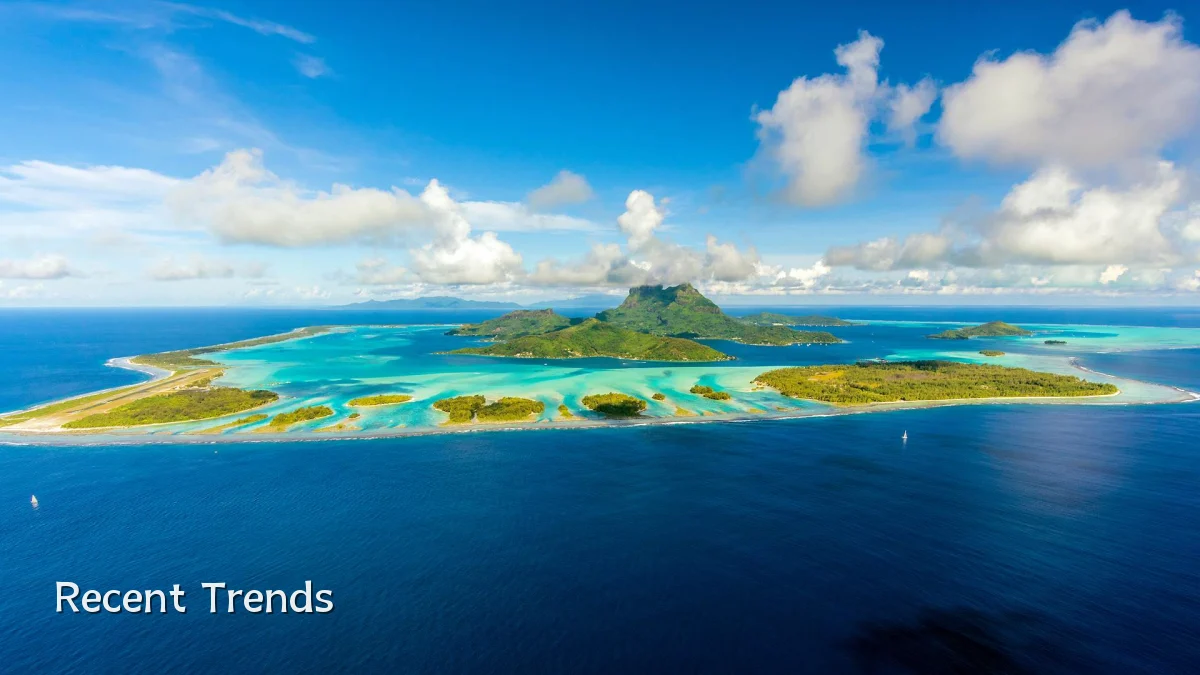
The answer is significant. While the core machine may be similar, the riding environment changes the level of preparation, risk, maintenance, and skill required. Lakes tend to offer more predictable conditions, while ocean riding introduces tides, surf, saltwater exposure, marine traffic, and rapidly changing weather.
- New riders often start on lakes because the water is generally calmer and navigation is simpler.
- Experienced riders may seek the ocean for longer routes, waves, and coastal scenery.
- Rental operators and instructors increasingly emphasize location-specific safety briefings, especially for ocean conditions.
- Manufacturers and service providers continue to stress maintenance differences between freshwater and saltwater use.
Background
Jet skis, also known as personal watercraft, are designed to operate in a range of water environments. However, lakes and oceans present different operating conditions that affect handling, safety planning, and upkeep.

On lakes, riders typically deal with contained bodies of water, marked zones, recreational boat traffic, and more consistent surface conditions. Hazards may include docks, swimmers, shallow areas, fishing lines, submerged objects, and wake from other boats.
In the ocean, riders face a larger and less controlled environment. Conditions can shift with wind, tides, currents, swells, and boat traffic. Saltwater also increases the need for post-ride cleaning and mechanical care.
| Factor | Lake Jet Skiing | Ocean Jet Skiing |
|---|---|---|
| Water conditions | Usually calmer, though wind and boat wakes can create chop | More variable, with waves, swell, tides, and currents |
| Navigation | Often easier due to visible shoreline and smaller area | Requires stronger awareness of distance, landmarks, tides, and marine routes |
| Maintenance | Freshwater use is generally less corrosive | Saltwater requires thorough rinsing and closer corrosion checks |
| Skill level | More suitable for beginners in controlled areas | Better suited to riders with more experience and preparation |
| Emergency response | Help may be closer depending on the lake and traffic | Distance, surf, weather, and currents can complicate recovery |
User Concerns
For many riders, the main concern is not whether one environment is “better,” but which one matches their experience, equipment, and risk tolerance.
Safety and Water Conditions
Lake riding is often perceived as safer because the water can be flatter and more predictable. That is not always guaranteed. Wind, crowded weekends, and large boat wakes can still create challenging conditions. Ocean riding adds more variables, including breaking waves, offshore winds, changing tides, and stronger currents.
- Check local weather and wind forecasts before riding.
- Avoid riding beyond your skill level, especially in surf or rough chop.
- Keep distance from swimmers, paddlers, docks, boats, and shorelines.
- Wear a properly fitted life jacket and use the engine shut-off lanyard.
Handling and Ride Comfort
A jet ski on a lake may feel smoother and more controlled, especially for beginners practicing turns, throttle control, and docking. In the ocean, the same craft can feel more physically demanding because riders must absorb wave impacts and adjust speed constantly.
Ocean riding often requires a more active stance, careful throttle use, and greater attention to wave direction. Riders may tire faster, especially in choppy water.
Maintenance Differences
Maintenance is one of the clearest differences between lake and ocean jet skiing. Freshwater is generally easier on metal parts, cooling systems, trailers, and fasteners. Saltwater can accelerate corrosion if the craft is not cleaned properly after use.
- After ocean use, flush the cooling system according to the owner’s manual.
- Rinse the hull, pump area, trailer, and exposed hardware with fresh water.
- Inspect for corrosion, salt buildup, and debris around the intake and jet pump.
- Use protective sprays or lubricants where recommended by the manufacturer.
Rules and Access
Regulations vary by location. Lakes may have speed zones, no-wake areas, horsepower limits, launch permits, or seasonal restrictions. Ocean areas may include navigation channels, protected marine zones, harbor rules, and distance-from-shore requirements.
Riders should check local boating authority guidance before launching. Rental customers should also confirm whether they are permitted to leave a designated riding area.
Equipment and Planning
Basic safety gear is important in both environments, but ocean riding often calls for more planning. A rider close to shore on a small lake faces a different risk profile than a rider traveling along a coast with changing wind and tide conditions.
- Carry a communication device suitable for the area.
- Tell someone your route and expected return time.
- Bring drinking water and sun protection.
- Consider a GPS or navigation app where appropriate.
- Ride with another craft when conditions are remote or unpredictable.
Likely Impact
The growing comparison between lake and ocean jet skiing is likely to shape how riders choose destinations, rentals, and equipment. Beginners may continue to favor lakes for early practice, while more advanced riders may treat ocean riding as a separate skill set rather than a simple extension of lake experience.
Rental businesses and tour operators may place more emphasis on pre-ride assessments, safety briefings, and route limits. Riders who own personal watercraft may also factor saltwater maintenance into their cost and time expectations before choosing ocean outings.
For buyers, the lake-versus-ocean question can influence decisions about hull design, engine power, storage capacity, navigation accessories, and corrosion protection. However, the best choice depends less on labels and more on the rider’s typical conditions, skill level, and willingness to maintain the craft after each ride.
- New riders: Lakes can offer a better environment for learning basic control.
- Recreational families: Calm inland waters may be easier for mixed skill levels.
- Adventure riders: Ocean routes may offer more variety but require stronger preparation.
- Owners in coastal areas: Saltwater care should be treated as routine, not optional.
What to Watch Next
Several factors may affect how riders approach lake and ocean jet skiing in the near future. Local regulations, environmental concerns, rental safety practices, and advances in personal watercraft design could all shape the experience.
- Safety education: More locations may encourage or require boating safety courses for personal watercraft users.
- Environmental rules: Noise limits, wildlife protections, and restricted zones may influence where riders can operate.
- Rental oversight: Operators may tighten rules for ocean routes, passenger limits, and rough-water riding.
- Navigation technology: Riders may increasingly rely on GPS, mobile alerts, and marine weather tools.
- Maintenance awareness: Saltwater flushing, corrosion prevention, and trailer care may become bigger priorities for coastal users.
The central difference remains straightforward: lake jet skiing is usually more contained and predictable, while ocean jet skiing is more dynamic and demanding. Riders who understand those differences are better positioned to choose the right setting, prepare properly, and reduce avoidable risks.